
Serving in Your Local Area
Quality
Solar System Design
Get a solar system with batteries custom designed to meet your electric energy needs and start saving today.
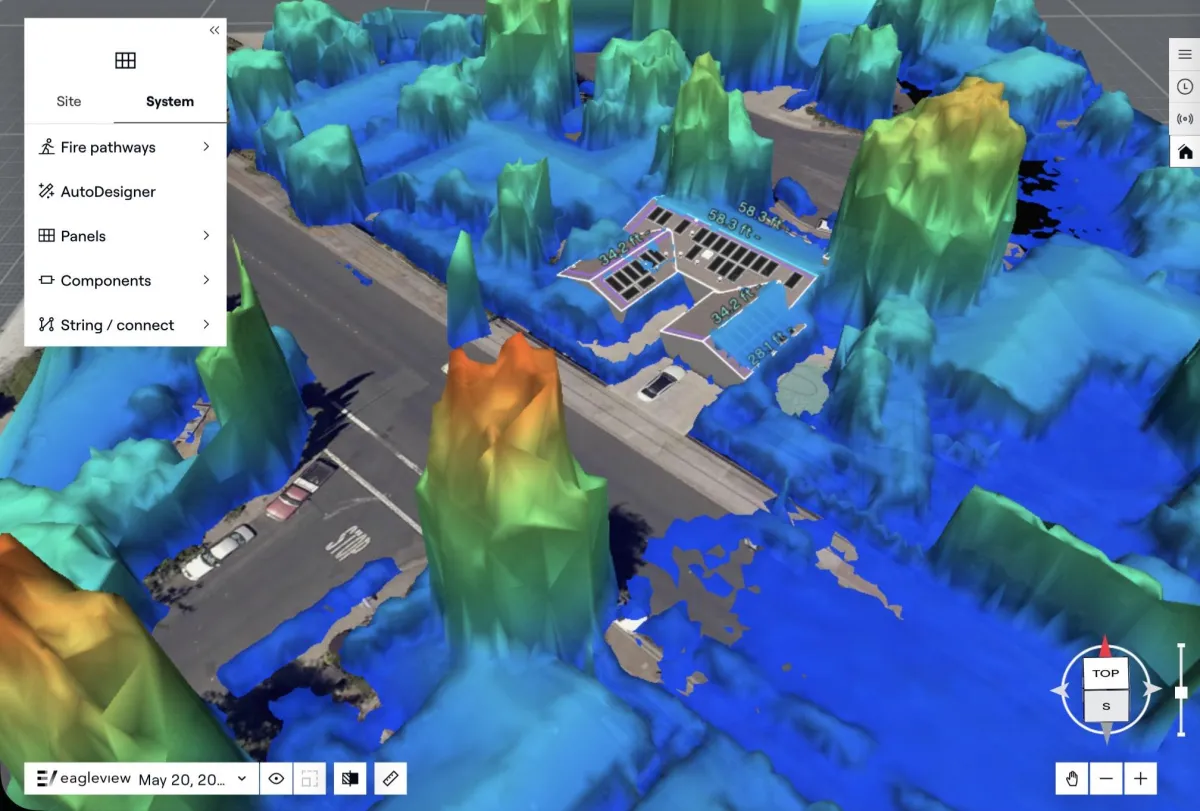
Got Watts the Finest Solar Installation Team
The design and installation team are the most important aspect of your solar project experience. Got Watts has been a local electrician, solar and HVAC installer for over 16 years.
We offer quality you can trust and solar system performance to maximize your savings compared to PG&E’s continual rate increases.
Solar Panels
Premium grade solar panels are essential to long-term performance and protection from utility electric bills

Power Inverters
Quality inverters are key to creating a highly efficient system to maximize savings
Home Batteries
Batteries allow you to store power to use when you need it most instead of paying PG&E extreme peak rates
The Reality Check
Ignoring the consistent increases of PG&E rates will drain your bank account.
Common Questions
Frequently Asked Questions
How can I be confident switching to solar will save me money?
That’s a great question, and it’s exactly what you should be asking before even considering solar. The goal isn’t just to switch energy sources—it’s to make sure it actually puts you in a better financial position than staying with PG&E. Right now, you’re buying power at rates that are already high and continue to increase over time. What solar does is give you the opportunity to produce your own power at a lower, more predictable cost—but the only way to know if it truly benefits you is to look at your specific situation.
The way we do that is by taking your actual PG&E usage and building a side-by-side comparison. We look at what you’re currently spending annually and project that forward based on typical rate increases. Then we compare it to what it would look like with a properly designed solar and battery system. This isn’t guesswork—it’s based on your real numbers, your home, your usage patterns, and how energy is priced today.
Design is especially important right now. With how PG&E rates are structured, the savings don’t just come from producing power—they come from using it at the right times. A well-designed system will generate energy during the day, store excess in a battery, and then use that stored energy during the most expensive evening hours. That’s what reduces your dependence on PG&E when their rates are highest and is where the real savings are created.
A good proposal will lay all of this out clearly. You’ll be able to see what you’re paying now, what your energy costs would look like with solar, what your first-year savings are, and what it looks like over the long term. It should also use conservative, realistic assumptions so you can feel confident the numbers aren’t inflated. If it doesn’t make sense on paper, you simply don’t move forward.
That’s why the next step isn’t committing to solar—it’s just getting the information. We put together a custom proposal so you can clearly see whether it saves you money or not. If it does, great—you can decide to move forward. If it doesn’t, at least you have clarity. Either way, you’re making a decision based on real numbers, not a sales pitch.
Can I add more solar to an existing system since my electric needs have increased?
Yes—you can often add more solar, but the right way to do it depends on which PG&E program your current system is under. That part matters because it determines whether you can expand your system normally or if you need to approach it differently.
If your system is on NEM 2.0, you generally have more flexibility. PG&E allows you to increase the size of your system (typically up to about 10% or 1 kW, whichever is greater) without changing your current agreement. If your added usage is small, that may be enough to offset your new true-up bill. However, if you need a larger increase than that, PG&E will usually require you to move to the newer NEM 3.0 structure for the entire system—which changes how your excess energy is credited and can reduce the value of exporting power back to the grid.
If your system is already on NEM 3.0, you can still add more solar, but the economics are different. Under NEM 3.0, exporting extra energy back to PG&E doesn’t pay much, so simply adding more panels isn’t always the best strategy. Most homeowners in this situation benefit from pairing additional solar with a battery, so you can store energy and use it during peak-rate hours instead of sending it back to the grid at a lower value.
There’s also a third option that comes into play, especially for homeowners on NEM 2.0 who don’t want to lose their current benefits. In many cases, you can install a separate non-export system. This means the new solar produces power for your home but doesn’t send excess energy back to PG&E, allowing you to keep your original NEM 2.0 agreement intact. It’s a more advanced setup, but it can be a very effective way to cover increased usage without giving up favorable terms.
The key is understanding how much your usage has increased and then designing the right solution around your current NEM status. That’s exactly what a proposal will show you—whether a small expansion works, whether a non-export add-on makes more sense, or whether a solar + battery upgrade under NEM 3.0 gives you the best long-term outcome.
Can I save money installing a solar only system or do I need to install batteries?
You can install solar without a battery, but with how PG&E pricing works today, solar by itself usually doesn’t deliver the level of savings most homeowners expect.
PG&E’s highest rates are in the late afternoon and evening—right when your solar system isn’t producing much power. During the middle of the day, your system may generate more electricity than you can use, and that excess gets sent back to PG&E. Under today’s rules, they credit that power at a much lower value than what they charge you later. So you’re effectively giving them power cheaply during the day and buying it back at a premium at night. That gap is what limits the savings with a solar-only system.
A battery changes that equation. Instead of exporting your extra solar during the day, you store it and use it in the evening when PG&E rates are the highest. That means you’re using more of your own energy and relying less on the grid when it’s most expensive. In practical terms, it allows you to avoid those peak charges that drive most of your bill.
For many homeowners, the difference isn’t small. Solar-only might reduce your bill, but a properly sized solar + battery system is what’s designed to maximize savings under PG&E’s current structure. It gives you more control over when and how you use your energy, rather than being at the mercy of utility pricing.
The best way to see it clearly is to look at both options side by side. A good proposal will show you what your costs look like with solar only versus solar with a battery—using your actual usage and PG&E rate plan—so you can see which one truly puts you in the strongest financial position over time.
Serving in Your Local Area
Trusted by Homeowners
in Your Neighborhood
We love our customers and are passionate about making your solar project a pleasurable experience.
Trusted by 1,500+ East Bay Residents for Solar Installation Projects



Quick Links
© Copyright 2026 | All rights reserved.